Cisco Aironet Antenna – 2.4 GHz, 5 GHz – 4 dBiDipole
The next generation of Cisco Aironet 802.11n access points -the Cisco Aironet 3600e Series and 1550 Series- requires the use of dual-band external antennas to make them fully functioning units. As these access points take greater advantage of the multiple-input multiple-output (MIMO) features supported under the 802.11n standard, the number of radio transceivers per frequency band has increased. Using dual-band antenna ports allows the access point to support these added transceivers while maintaining a reasonably low number of antenna connections. Each dual-band antenna can transmit or receive Wi-Fi signals in both the 2.4-GHz and 5-GHz bands simultaneously.
Related products
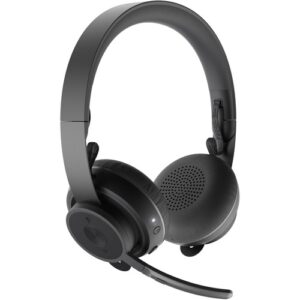
Logitech Zone Wireless Headset – Stereo – Wireless – Bluetooth – 98.4 ft – 30 Hz – 13 kHz – Over-the-head – Binaural – Circumaural – Omni-directional, MEMS Technology, Electret, Condenser, Noise Cancelling Microphone – Noise Canceling – TAA Compliance
It can be hard to concentrate while working from home these days.With active noise cancellation that reduces unwanted ambient sound, a Zone Wireless headset can help you focus on the task at hand and get more stuff done. Think of it as a personal portal to acoustic serenity amidst a sea of otherwise distracting noise. Same workspace, but with a sound experience that you control.
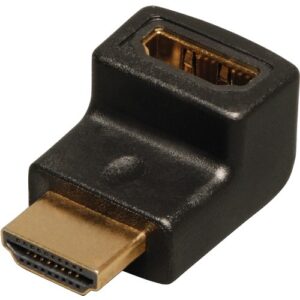
Tripp Lite HDMI Right Angle Up Adapter/Coupler (M/F) 4K @ 60Hz – 1 x HDMI Male Digital Audio/Video – 1 x HDMI Female Digital Audio/Video – Gold Plated Connector – Black – RoHS Compliance
The 90-degree angle of this adapter allows you to reposition the HDMI jack for better access where space is tight. This adapter also offers a great way to protect your HDMI cables and equipment from strain and damage, since HDMI cables have relatively small connectors and jacks that must bear the brunt of the cable's weight. The plug-and-play design makes installation a breeze. The P142-000-UP Right Angle HDMI Adapter features gold-plated connectors for optimal signal transmission quality. Provides clean, uncompressed digital signals. Supports video resolution up to 1080p. Ver 1.3 and 1.4 compliant.